-
-
![]()
1. Introduction
-
![]()
2. Course Curriculum
-
![]()
3. Certificate
-
- Course Details
- Course Curriculum
- Sample Certificate
- Review
- Education
- online course
- Certificate
- Agile Project Management
Course Curriculums
Course Description
Agile management or agile project management is an iterative and incremental method of managing the design and build activities for engineering, information technology, and new product or service development projects in a highly flexible and interactive manner, for example agile software development. It requires capable individuals from the relevant business, with supplier and customer input.
Who are the Target Audience:
With a clear, concise and detailed perspective on project productivity, the certification is useful to all candidates and competency levels ranging from highly experienced project managers to those new to the industry.
What are the Pre-requisites?
- Agile Project Management Foundation Certificate or
- DSDM Atern Foundation Certificate or
- DSDM Advanced Practitioner Certificate
How To access
Step 1 - eduCBA sends the redemption coupon along with the registration link.
Step 2 - Student will register with his register email id and coupon
Step 3 - Student receive the course access and password on his/her email id
Step 4 - Login using your email id and password and start learning
Benefits of online course:
1. High Quality Content
2. Learn Anywhere Anytime & at Your Pace
3. 24X7 Customer Support
4. Complete Student Support Throughout The Program
5. Online Video Training Material
6 Lifetime course access
7. Course Completion Certificate
For any Query feel free to call
Mob- +918587999769/9818826705
Curriculum
Section 1: Introduction
1 Lecture1:Introduction
Section 2: AGILE
2 Lecture2:Agile Approaches
3 Lecture3:Customer Collaboration
4 Lecture4:Responding to Change
5 Lecture5:Agile’s 12 Principles
6 Lecture6:Values, Agile Framework
7 Lecture7:Agile Team composition
8 Lecture8:Team composition Continues
Section 3: SCRUM
9 Lecture9:Introduction to scrum Practices
10 Lecture10:Product Owner, Scrum Masters, The Team
11 Lecture11:Scrum
12 Lecture12:sprint meetings
13 Lecture13:sprint reviews
14 Lecture14:DAILY SCRUM
15 Lecture15:RETROSPECTIVE
16 Lecture16:SPRINT MEETINGS
17 Lecture17:MORE ON SPRINT MEETINGS
18 Lecture18:INCREMENT
Section 4: USER STORIES
19 Lecture19:Introduction to user stories
20 Lecture20:Epics
21 Lecture21:Epics & themes
22 Lecture22:What is good user story?
23 Lecture23:What is good user story? Continues
24 Lecture24:More on What is good user story?
25 Lecture25:how to write good user story?
26 Lecture26:how to write good user story Continues
27 Lecture27:Role & responsibilities
Section 5: ESTIMATION
28 Lecture28:Introduction to estimation
29 Lecture29:Measure of Size
30 Lecture30:what is ideal day?
31 Lecture31:What is elapsed time?
32 Lecture32:Story Points
33 Lecture33:What is estimation?
34 Lecture34:How to do estimation?
35 Lecture35:Planning poker an estimation technique
36 Lecture36:Planning Poker 2
37 Lecture37:What is re-estimation?
Section 6: VBP (VALUE BASED PRIORITIZATION)
38 Lecture38:Introduction to prioritization
39 Lecture39:What is risk priority
40 Lecture40:Value based prioritization
41 Lecture41:Kano model
42 Lecture42:Financial values
43 Lecture43:IRR, NPV, Payback
44 Lecture44:Minimum marketable features 1
45 Lecture45:Minimum marketable features 2
46 Lecture46:Minimum marketable features 3
Section 7: PLANNING
47 Lecture47:introduction to planning
48 Lecture48:advantages of last minute planning
49 Lecture49:time boxing
50 Lecture50:what is release plan
51 Lecture51:advantages of release planning
52 Lecture52:what is iteration plan
53 Lecture53:participatory decision making
54 Lecture54:Framing
55 Lecture55:Decision making
56 Lecture56:Non-Unanimous Consensus
57 Lecture57:Decision Retrospective
Section 8: MONITORING
58 Lecture58:Monitoring Introduction
59 Lecture59:Tools used for Monitoring
60 Lecture60:Monitoring
Section 9: RETROSPECTIVE
61 Lecture61:what is retrospective?
62 Lecture62:retrspective structure
63 Lecture63:Gather Data, Generate Insights
64 Lecture64:Decide what to do, Closure, Why Retrospective Activities?
65 Lecture65:Activities to Gather Data, Generate Insights
66 Lecture66:Activities for Closure, Preparation, Leading the Perspectives
67 Lecture67:Retrospective Types
Section 10: XP (XTREME PROGRAMMING)
68 Lecture68:XP Introduction
69 Lecture69:XP Comprises of, What makes XP Different
70 Lecture70:XP Values
71 Lecture71:Simplicity, Feedback, Courage
72 Lecture72:Respect
73 Lecture73:Introduction to XP Practices
74 Lecture74:XP Corollary Practices
75 Lecture75:Additional XP Practices
76 Lecture76:XP Lifecycle
77 Lecture77:XP Practice deep dive
78 Lecture78:Continuous Integration
79 Lecture79:Test First Development
80 Lecture80:Pair Programming, XP practices
81 Lecture81:Spike Solutions, Exploratory Testings
82 Lecture82:Agile Practices and Grouping
83 Lecture83:Releasing, Planning, Developing
84 Lecture84:Practice Quiz
Section 11: LEAN
85 Lecture85:Lean Goals
86 Lecture86:Eliminate Wastes
87 Lecture87:Eliminate Wastes, Build Quality In
88 Lecture88:Create Knowledge
89 Lecture89:Value Stream Mapping
90 Lecture90:Kanban
91 Lecture91:Kanban and Pull System
Section 12: COMMUNICATION
92 Lecture92:Communication
93 Lecture93:Elements of Active Listening, Information Radiator, Ideal Team Space
94 Lecture94:Not so good Team space, Distributed vs Collocated Team, Engaging Stakeholders
Section 13: RISK MANAGEMENT
95 Lecture95:What is Risk?
96 Lecture96:Organic Risk Management in Agile
97 Lecture97:Mitigating Risk Organically
98 Lecture98:Response
Section 14: GOVERNANCE
99 Lecture99:PMO
100 Lecture100:Metrics
101 Lecture101:Agile Metric
102 Lecture102:Agile Metric Continues
103 Lecture103:Agile Compliance, Chartering, Control Limits
104 Lecture104:Agile Contract Types
105 Lecture105:EVM Terms, Measuring Metrics, Escaped Defects
Section 15: Soft skill
106 Lecture106:Soft skill Part 1
107 Lecture107:Soft skill Part 2
108 Lecture108:Conflict Management
109 Lecture109:Agile leadership
110 Lecture110:Agile Coaching
Here is a sample for the course completion certificate which you will receive after complete the course. This certificate is widely accepted across industries and will boost your chances to grab the job opportunities.
Mail us at: [email protected] with below details to receive your certificate:
- Name
- Course Name
- Date of Completion
- Address
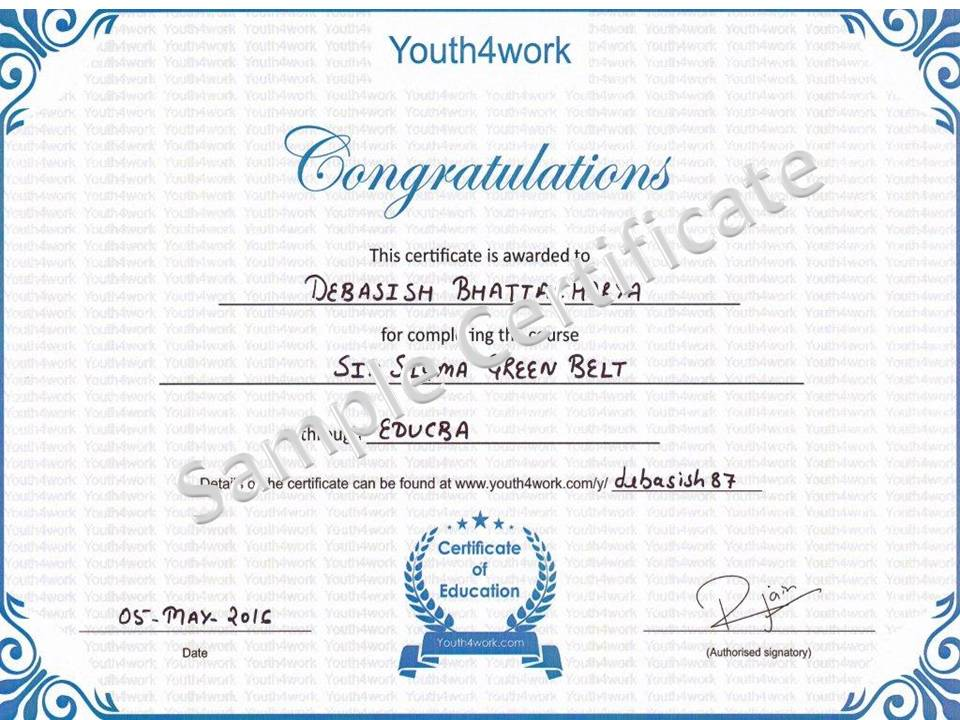
Here is a sample for the course completion certificate which you will receive after complete the course. This certificate is widely accepted across industries and will boost your chances to grab the job opportunities.
Mail us at: [email protected] with below details to receive your certificate:
- Name
- Course Name
- Date of Completion
- Address
Curriculum
Section 1: Introduction
1 Lecture1:Introduction
Section 2: AGILE
2 Lecture2:Agile Approaches
3 Lecture3:Customer Collaboration
4 Lecture4:Responding to Change
5 Lecture5:Agile’s 12 Principles
6 Lecture6:Values, Agile Framework
7 Lecture7:Agile Team composition
8 Lecture8:Team composition Continues
Section 3: SCRUM
9 Lecture9:Introduction to scrum Practices
10 Lecture10:Product Owner, Scrum Masters, The Team
11 Lecture11:Scrum
12 Lecture12:sprint meetings
13 Lecture13:sprint reviews
14 Lecture14:DAILY SCRUM
15 Lecture15:RETROSPECTIVE
16 Lecture16:SPRINT MEETINGS
17 Lecture17:MORE ON SPRINT MEETINGS
18 Lecture18:INCREMENT
Section 4: USER STORIES
19 Lecture19:Introduction to user stories
20 Lecture20:Epics
21 Lecture21:Epics & themes
22 Lecture22:What is good user story?
23 Lecture23:What is good user story? Continues
24 Lecture24:More on What is good user story?
25 Lecture25:how to write good user story?
26 Lecture26:how to write good user story Continues
27 Lecture27:Role & responsibilities
Section 5: ESTIMATION
28 Lecture28:Introduction to estimation
29 Lecture29:Measure of Size
30 Lecture30:what is ideal day?
31 Lecture31:What is elapsed time?
32 Lecture32:Story Points
33 Lecture33:What is estimation?
34 Lecture34:How to do estimation?
35 Lecture35:Planning poker an estimation technique
36 Lecture36:Planning Poker 2
37 Lecture37:What is re-estimation?
Section 6: VBP (VALUE BASED PRIORITIZATION)
38 Lecture38:Introduction to prioritization
39 Lecture39:What is risk priority
40 Lecture40:Value based prioritization
41 Lecture41:Kano model
42 Lecture42:Financial values
43 Lecture43:IRR, NPV, Payback
44 Lecture44:Minimum marketable features 1
45 Lecture45:Minimum marketable features 2
46 Lecture46:Minimum marketable features 3
Section 7: PLANNING
47 Lecture47:introduction to planning
48 Lecture48:advantages of last minute planning
49 Lecture49:time boxing
50 Lecture50:what is release plan
51 Lecture51:advantages of release planning
52 Lecture52:what is iteration plan
53 Lecture53:participatory decision making
54 Lecture54:Framing
55 Lecture55:Decision making
56 Lecture56:Non-Unanimous Consensus
57 Lecture57:Decision Retrospective
Section 8: MONITORING
58 Lecture58:Monitoring Introduction
59 Lecture59:Tools used for Monitoring
60 Lecture60:Monitoring
Section 9: RETROSPECTIVE
61 Lecture61:what is retrospective?
62 Lecture62:retrspective structure
63 Lecture63:Gather Data, Generate Insights
64 Lecture64:Decide what to do, Closure, Why Retrospective Activities?
65 Lecture65:Activities to Gather Data, Generate Insights
66 Lecture66:Activities for Closure, Preparation, Leading the Perspectives
67 Lecture67:Retrospective Types
Section 10: XP (XTREME PROGRAMMING)
68 Lecture68:XP Introduction
69 Lecture69:XP Comprises of, What makes XP Different
70 Lecture70:XP Values
71 Lecture71:Simplicity, Feedback, Courage
72 Lecture72:Respect
73 Lecture73:Introduction to XP Practices
74 Lecture74:XP Corollary Practices
75 Lecture75:Additional XP Practices
76 Lecture76:XP Lifecycle
77 Lecture77:XP Practice deep dive
78 Lecture78:Continuous Integration
79 Lecture79:Test First Development
80 Lecture80:Pair Programming, XP practices
81 Lecture81:Spike Solutions, Exploratory Testings
82 Lecture82:Agile Practices and Grouping
83 Lecture83:Releasing, Planning, Developing
84 Lecture84:Practice Quiz
Section 11: LEAN
85 Lecture85:Lean Goals
86 Lecture86:Eliminate Wastes
87 Lecture87:Eliminate Wastes, Build Quality In
88 Lecture88:Create Knowledge
89 Lecture89:Value Stream Mapping
90 Lecture90:Kanban
91 Lecture91:Kanban and Pull System
Section 12: COMMUNICATION
92 Lecture92:Communication
93 Lecture93:Elements of Active Listening, Information Radiator, Ideal Team Space
94 Lecture94:Not so good Team space, Distributed vs Collocated Team, Engaging Stakeholders
Section 13: RISK MANAGEMENT
95 Lecture95:What is Risk?
96 Lecture96:Organic Risk Management in Agile
97 Lecture97:Mitigating Risk Organically
98 Lecture98:Response
Section 14: GOVERNANCE
99 Lecture99:PMO
100 Lecture100:Metrics
101 Lecture101:Agile Metric
102 Lecture102:Agile Metric Continues
103 Lecture103:Agile Compliance, Chartering, Control Limits
104 Lecture104:Agile Contract Types
105 Lecture105:EVM Terms, Measuring Metrics, Escaped Defects
Section 15: Soft skill
106 Lecture106:Soft skill Part 1
107 Lecture107:Soft skill Part 2
108 Lecture108:Conflict Management
109 Lecture109:Agile leadership
110 Lecture110:Agile Coaching