Course Curriculums
Course Description
Organizational Development (OD) is both the field of applied behavioral science focused on understanding and managing organizational change to increase an organization’s effectiveness and viability and a field of scientific study and inquiry.” Organization Development believes that every part of an organization is integral to a system that relies on and impacts other elements of the internal and external environment in which the organization operates.
This course is divided into six parts. The first unit gives introduction that describes the definition, concepts and history of OD. It provides overview of organization development .It discusses the fundamental theories that underlie planned change. It describes how OD practioners enter and contract with client systems; diagnose organizations, groups, and jobs collect, analyze and feedback diagnostic data; design interventions; lead and manage change evaluate and institutionalize change.
It also describes about human process intervention, Organization Process Approaches, Work Design, Techno structural intervention, Restructuring Organization. Employee Involvement, performance Management, Developing Talent, Strategic change interventions, Transformational change, Trans-organizational change. These all things are taught under this course.
How to access:-
Step 1 - eduCBA sends the redemption coupon along with the registration link.
Step 2 - Student will register with his register email id and coupon
Step 3 - Student receive the course access and password on his/her email id
Step 4 - Login using your email id and password and start learning
Benefits of online course:
1. High Quality Content
2. Learn Anywhere Anytime & at Your Pace
3. 24X7 Customer Support
4. Complete Student Support throughout the Program
5. Online Video Training Material
6. Lifetime course access
For any query call/miss call-
Mob-+918587999769/9818826705
Curriculum
Section 1: General introduction to Organization Development
1 Organization Development- introduction ( Part I ) – part 1
2 Organization Development- introduction ( Part I ) – part 2
3 The Nature of Planned Change Part 1
4 The Nature of Planned Change Part 2
Section 2:Process of Organizational Development
5 ENTERING A OD RELATIONSHIP
6 Selecting a OD practioner and Developing a contract
Section 3:Diagnosing Organisation
7 Diagnosing Organization
8 The need for diagnostic model
9 Diagnosing organising systems
10 Group level Diagnostic Model
11 Individual level diagnostic model
Section 4:Collecting and Analyzing information
12 Collecting and Analyzing information
13 Methods of data collection
14 Sampling & Techniques for analyzing the data
Section 5:Feeding Back Diagnostic Information
15 Feedback and organization development- PART I
16 Survey Feedback -PART II
Section 6:Designing Intervention for OD
17 What are effective intervention-PART I
18 How to design effective interventions – PART II
19 Overview of Intervention- PART III
20 Different types of Intervention- PART IV
Section 7: Leading and Managing change
21 Leading and Managing change_part 01
22 Leading and Managing change_part 02
Section 8: Evaluation and Institutionalizing Organization Development Interventions
23 CH 11 PART I ,Evaluation A
24 CH 11 PART I ,Evaluation -PART I-1 B
25 CH 11-PART II , Measurements in evaluation feedback- PART II
26 CH- PART IIIResearch Design-PART III
27 CH 11 PART IV- Institutionalizing framework – PART IV -A
28 CH 11 PART IV- Institutionalizing framework – PART IV –B
Section 9: Interpersonal and Group Process Approaches
29 CH 12 – PART I ,Interpersonal and Group Process Approaches- PART I
30 CH 12 PART II , Group Process – PART II –
Section 10: Organization Process Approaches
31 First type of Intervention
32 PART II – Intergroup Relations Interventions
33 PART III b , Resolving Intergroup Conflicts
34 PART IV – Large Group Interventions
35 PART V -Open system methods
36 PART VI -Open Space Methods and Positive Methods
Section 11: Restructuring Organization
37 Restructuring Organization -PART I -1
38 Division structure and Matrix structure -PART II-1
39 Process based structure and customer centric structure-PART III
40 Downsizing – PART V ( A)
Section 12: Employee Involvement
41 Introduction to Employee Involvement – PART I
42 How employee involvement affects productivity – PART II
43 TQM – PART III
44 Application Stages of TQM- PART IV
45 High Involvement Organization – PART V
Section 13: Work Design
46 Work Design – Introduction – PART I
47 Hackman and Oldham model of job design- PART VI
48 Application Stages of Job Enrichment – PART VII
49 Barriers to Job Enrichment – part IV
50 Sociotechnical system approach – PART V
Section 14: Work Design
51 Self managed work teams- PART VI & 3 inputs for team functioning
52 2nd inputs and 3rd inputs PART VI (B)_part01
53 2nd inputs& 3rd inputs – PART VI (B)_part02
54 Designing the work for technical and personal needs- PART VII
Section 15: Performance Management
55 Introduction to performance management -PART I
56 A model of performance management – PART II
57 Goal Setting – PART A
58 Management by Objectives-PART B
59 Performace Appraisal Process_part01
60 Performace Appraisal Process_part02
61 Reward System_part01
62 Reward System_part02
63 Skill Based Pay and Performance Based Pay
64 Gain sharing and Promotion system
Section 16: Development Talent
65 Developing Talent – PART I
66 Career planning and Developmental Interventions- PART II (A)
67 Career Planning Interventions- PART II (B)_part01
68 Career Planning Interventions- PART II (B)_part02
69 Management and leadership Interventions – PART III
Section 17: Managing Workforce Diversity and Wellness
70 Managing Workforce Diversity and Employee Wellness – PART I
71 Workforce Diversity dimensions and Interventions- PART II_part01
72 Workforce Diversity dimensions and Interventions- PART II_part02
Section 18: Transformational change
73 Transformational Change- PART I_part01
74 Transformational Change- PART I_part02
75 Integrated Strategic Change -PART II_part01
76 Integrated Strategic Change -PART II_part02
77 Organization Design – PART III_part01
78 Organization Design – PART III_part02
Section 19: Transorganizational change
79 Transorganizational Change -PART I
80 Mergers and Acquisition- PART II(A)
81 Mergers and Acquisition- PART II(A)1
82 Legal combination phase and operational combination phase-PART II(B)
Section 20: Continuous change
83 Continuous change-PART I
84 Continuous change-PART II
85 Learning Organization-PART II
86 Learning Organization-PART III
87 Knowledge Management Interventions-PART II-B
88 Built-to-Change Organization- PART III
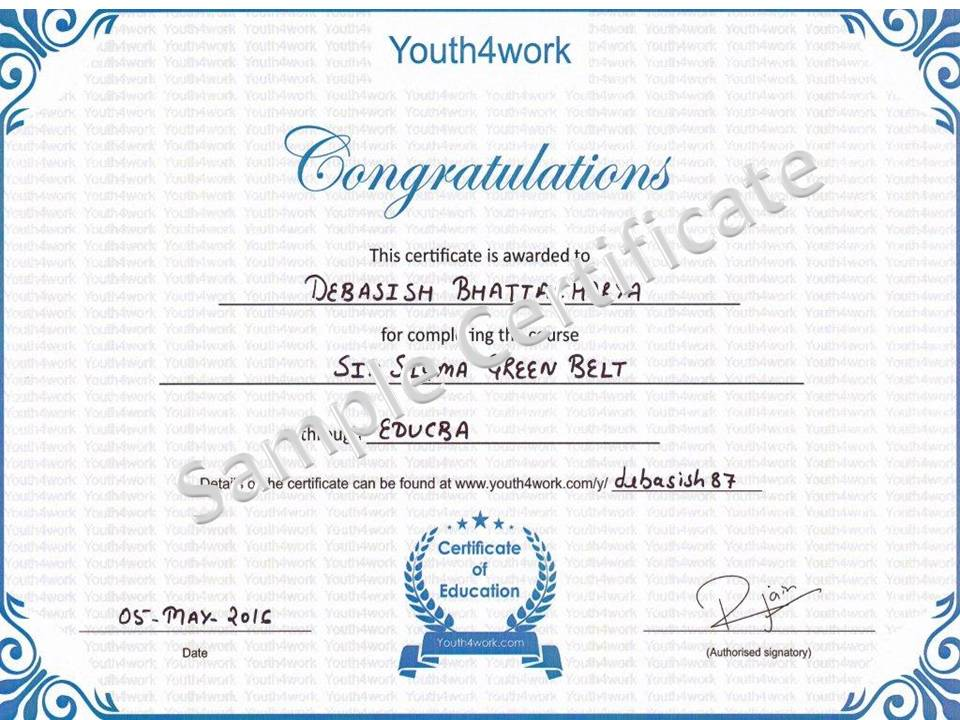
Here is a sample for the course completion certificate which you will recieve after complete the course. This certificate is widely accepted across industries and will boost your chances to grab the job opportunities.
Mail us at: [email protected] with below details to receive your certificate:

Here is a sample for the course completion certificate which you will recieve after complete the course. This certificate is widely accepted across industries and will boost your chances to grab the job opportunities.
Mail us at: [email protected] with below details to receive your certificate:
Curriculum
Section 1: General introduction to Organization Development
1 Organization Development- introduction ( Part I ) – part 1
2 Organization Development- introduction ( Part I ) – part 2
3 The Nature of Planned Change Part 1
4 The Nature of Planned Change Part 2
Section 2:Process of Organizational Development
5 ENTERING A OD RELATIONSHIP
6 Selecting a OD practioner and Developing a contract
Section 3:Diagnosing Organisation
7 Diagnosing Organization
8 The need for diagnostic model
9 Diagnosing organising systems
10 Group level Diagnostic Model
11 Individual level diagnostic model
Section 4:Collecting and Analyzing information
12 Collecting and Analyzing information
13 Methods of data collection
14 Sampling & Techniques for analyzing the data
Section 5:Feeding Back Diagnostic Information
15 Feedback and organization development- PART I
16 Survey Feedback -PART II
Section 6:Designing Intervention for OD
17 What are effective intervention-PART I
18 How to design effective interventions – PART II
19 Overview of Intervention- PART III
20 Different types of Intervention- PART IV
Section 7: Leading and Managing change
21 Leading and Managing change_part 01
22 Leading and Managing change_part 02
Section 8: Evaluation and Institutionalizing Organization Development Interventions
23 CH 11 PART I ,Evaluation A
24 CH 11 PART I ,Evaluation -PART I-1 B
25 CH 11-PART II , Measurements in evaluation feedback- PART II
26 CH- PART IIIResearch Design-PART III
27 CH 11 PART IV- Institutionalizing framework – PART IV -A
28 CH 11 PART IV- Institutionalizing framework – PART IV –B
Section 9: Interpersonal and Group Process Approaches
29 CH 12 – PART I ,Interpersonal and Group Process Approaches- PART I
30 CH 12 PART II , Group Process – PART II –
Section 10: Organization Process Approaches
31 First type of Intervention
32 PART II – Intergroup Relations Interventions
33 PART III b , Resolving Intergroup Conflicts
34 PART IV – Large Group Interventions
35 PART V -Open system methods
36 PART VI -Open Space Methods and Positive Methods
Section 11: Restructuring Organization
37 Restructuring Organization -PART I -1
38 Division structure and Matrix structure -PART II-1
39 Process based structure and customer centric structure-PART III
40 Downsizing – PART V ( A)
Section 12: Employee Involvement
41 Introduction to Employee Involvement – PART I
42 How employee involvement affects productivity – PART II
43 TQM – PART III
44 Application Stages of TQM- PART IV
45 High Involvement Organization – PART V
Section 13: Work Design
46 Work Design – Introduction – PART I
47 Hackman and Oldham model of job design- PART VI
48 Application Stages of Job Enrichment – PART VII
49 Barriers to Job Enrichment – part IV
50 Sociotechnical system approach – PART V
Section 14: Work Design
51 Self managed work teams- PART VI & 3 inputs for team functioning
52 2nd inputs and 3rd inputs PART VI (B)_part01
53 2nd inputs& 3rd inputs – PART VI (B)_part02
54 Designing the work for technical and personal needs- PART VII
Section 15: Performance Management
55 Introduction to performance management -PART I
56 A model of performance management – PART II
57 Goal Setting – PART A
58 Management by Objectives-PART B
59 Performace Appraisal Process_part01
60 Performace Appraisal Process_part02
61 Reward System_part01
62 Reward System_part02
63 Skill Based Pay and Performance Based Pay
64 Gain sharing and Promotion system
Section 16: Development Talent
65 Developing Talent – PART I
66 Career planning and Developmental Interventions- PART II (A)
67 Career Planning Interventions- PART II (B)_part01
68 Career Planning Interventions- PART II (B)_part02
69 Management and leadership Interventions – PART III
Section 17: Managing Workforce Diversity and Wellness
70 Managing Workforce Diversity and Employee Wellness – PART I
71 Workforce Diversity dimensions and Interventions- PART II_part01
72 Workforce Diversity dimensions and Interventions- PART II_part02
Section 18: Transformational change
73 Transformational Change- PART I_part01
74 Transformational Change- PART I_part02
75 Integrated Strategic Change -PART II_part01
76 Integrated Strategic Change -PART II_part02
77 Organization Design – PART III_part01
78 Organization Design – PART III_part02
Section 19: Transorganizational change
79 Transorganizational Change -PART I
80 Mergers and Acquisition- PART II(A)
81 Mergers and Acquisition- PART II(A)1
82 Legal combination phase and operational combination phase-PART II(B)
Section 20: Continuous change
83 Continuous change-PART I
84 Continuous change-PART II
85 Learning Organization-PART II
86 Learning Organization-PART III
87 Knowledge Management Interventions-PART II-B
88 Built-to-Change Organization- PART III