Course Curriculums
Course Description
Private Equity Modeling is an online course where you will be learning about what is private equity fund, fees in private equity, returns in private equity, deal structuring, private equity strategies and investments, role of banks in private equity, value of private equity investments, private equity structuring, private placement memorandum, fund structure and investment process, refinancing and exists of PE, Fund Managers Perspective, Private Equity Financial Modeling.
How to access:-
Step 1 - eduCBA sends the redemption coupon along with the registration link.
Step 2 - Student will register with his register email id and coupon
Step 3 - Student receive the course access and password on his/her email id
Step 4 - Login using your email id and password and start learning
Benefits of online course:
1. High Quality Content
2. Learn Anywhere Anytime & at Your Pace
3. 24X7 Customer Support
4. Complete Student Support throughout the Program
5. Online Video Training Material
6. Lifetime course access
For any query call/miss call-
Mob-+918587999769/9818826705
Curriculum
Section 1: Private Equity Fund
1 What is Private Equity?
2 Private Equity Fund
Section 2: Fees in Private Equity
3 Fees in Private Equity
Section 3: Returns in Private Equity
4 Returns in Private Equity
Section 4: Deal Structuring
5 Deal Structuring- Pre & Post Money
6 Deal Structuring- Preferred shares
7 Deal Structuring- Participating preferred shares
8 Deal Structuring- Multiple Liquidation Preference
9 Deal Structuring- Other Structures
Section 5: Private Equity strategies and investments
10 Deal Structuring (Excel File)
11 Private Equity strategies
Section 6: Role of banks in Private Equity
12 Private Equity investments
Section 7: Value of private equity investments
13 Role of banks in Private Equity
Section 8: Private equity structuring
14 Value of private equity investments
15 Private equity structuring
16 Financial Engineering
Section 9: Private Placement Memorandum
17 Buy shares or assets
Section 10: Fund Structure and Investment Process
18 Private Placement Memorandum
19 Fund Structure- Flow of Money
20 Fund Structure and organization
21 PE often use a fund structure
22 Investment Process- Approach the Private Equity Firm
23 Investment Process- Approach the Private Equity Firm Continues
24 Investment Process- Inquiries and Negotiations
25 Investment Process- Due Diligence
Section 11: Refinancing and exits of PE
26 Investment Process- Final Negotiation and Completion
Section 12: Fund Managers Perspective
27 Investment Process- Exit routes
28 Fund Managers Perspective- Points to consider
29 Fund Managers Perspective- Bid-Ask spread
30 Relevance of term sheet
31 Process to bridge Bid-ask gap
Section 13: Private Equity Financial Modelling
32 Post investment performance
33 Introduction to Financial Modelling
Section 14: Cost Sheet
34 Revenue Build up sheet
35 Cost Sheet- Direct Costs
Section 15: Working Capital Management
36 Cost Sheet- Indirect Costs
37 Working capital schedule- Historical ratios
Section 16: Depreciation schedule
38 Working capital schedule- Projecting
39 Depreciation schedule- Capital expenditures
40 Depreciation schedule- Forecast depreciation
Section 17: Amortization schedule
41 Depreciation schedule- Linkages
42 Amortization schedule
Section 18: Shareholders equity schedule
43 Completing the Income statement
44 Shareholders equity schedule
Section 19: Debt schedule
45 Completing the Balance sheet and Cash flow
46 Debt schedule- Calculate the cash available for debt
Section 20: Pre- Money Valuation
47 Debt schedule- Linkages
48 Calculation of FCFF and Beta
49 Calculation of WACC
Section 21: Post- Money Valuation
50 Calculating the Equity Value
Section 22: IRR and Comparable company analysis
51 Preparing the Cap table
52 IRR analysis
Section 23: Term Sheet
53 Comparable company analysis
54 Term sheet- Capital structure
55 Term sheet- Conditions and Covenants
56 Term sheet- Drag and tag along rights
57 Term sheet- Other terms and provisions
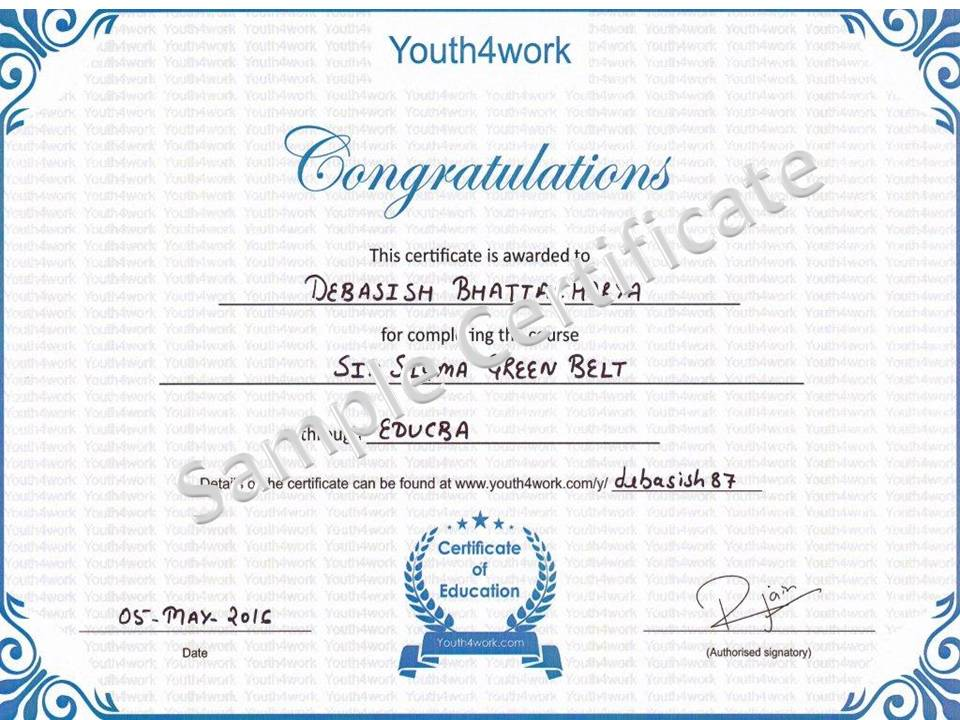
Here is a sample for the course completion certificate which you will recieve after complete the course. This certificate is widely accepted across industries and will boost your chances to grab the job opportunities.
Mail us at: [email protected] with below details to receive your certificate:

Here is a sample for the course completion certificate which you will recieve after complete the course. This certificate is widely accepted across industries and will boost your chances to grab the job opportunities.
Mail us at: [email protected] with below details to receive your certificate:
Curriculum
Section 1: Private Equity Fund
1 What is Private Equity?
2 Private Equity Fund
Section 2: Fees in Private Equity
3 Fees in Private Equity
Section 3: Returns in Private Equity
4 Returns in Private Equity
Section 4: Deal Structuring
5 Deal Structuring- Pre & Post Money
6 Deal Structuring- Preferred shares
7 Deal Structuring- Participating preferred shares
8 Deal Structuring- Multiple Liquidation Preference
9 Deal Structuring- Other Structures
Section 5: Private Equity strategies and investments
10 Deal Structuring (Excel File)
11 Private Equity strategies
Section 6: Role of banks in Private Equity
12 Private Equity investments
Section 7: Value of private equity investments
13 Role of banks in Private Equity
Section 8: Private equity structuring
14 Value of private equity investments
15 Private equity structuring
16 Financial Engineering
Section 9: Private Placement Memorandum
17 Buy shares or assets
Section 10: Fund Structure and Investment Process
18 Private Placement Memorandum
19 Fund Structure- Flow of Money
20 Fund Structure and organization
21 PE often use a fund structure
22 Investment Process- Approach the Private Equity Firm
23 Investment Process- Approach the Private Equity Firm Continues
24 Investment Process- Inquiries and Negotiations
25 Investment Process- Due Diligence
Section 11: Refinancing and exits of PE
26 Investment Process- Final Negotiation and Completion
Section 12: Fund Managers Perspective
27 Investment Process- Exit routes
28 Fund Managers Perspective- Points to consider
29 Fund Managers Perspective- Bid-Ask spread
30 Relevance of term sheet
31 Process to bridge Bid-ask gap
Section 13: Private Equity Financial Modelling
32 Post investment performance
33 Introduction to Financial Modelling
Section 14: Cost Sheet
34 Revenue Build up sheet
35 Cost Sheet- Direct Costs
Section 15: Working Capital Management
36 Cost Sheet- Indirect Costs
37 Working capital schedule- Historical ratios
Section 16: Depreciation schedule
38 Working capital schedule- Projecting
39 Depreciation schedule- Capital expenditures
40 Depreciation schedule- Forecast depreciation
Section 17: Amortization schedule
41 Depreciation schedule- Linkages
42 Amortization schedule
Section 18: Shareholders equity schedule
43 Completing the Income statement
44 Shareholders equity schedule
Section 19: Debt schedule
45 Completing the Balance sheet and Cash flow
46 Debt schedule- Calculate the cash available for debt
Section 20: Pre- Money Valuation
47 Debt schedule- Linkages
48 Calculation of FCFF and Beta
49 Calculation of WACC
Section 21: Post- Money Valuation
50 Calculating the Equity Value
Section 22: IRR and Comparable company analysis
51 Preparing the Cap table
52 IRR analysis
Section 23: Term Sheet
53 Comparable company analysis
54 Term sheet- Capital structure
55 Term sheet- Conditions and Covenants
56 Term sheet- Drag and tag along rights
57 Term sheet- Other terms and provisions